Buy evilsystem.eu ?
We are moving the project
evilsystem.eu .
Are you interested in purchasing the domain
evilsystem.eu ?
domain@kv-gmbh.de · 0541-91531010
Buy evilsystem.eu ?
What is corruption in politics?
Corruption in politics refers to the abuse of power and position by government officials for personal gain or to benefit a particular group or individual. This can include bribery, embezzlement, nepotism, and other forms of unethical behavior. Corruption undermines the integrity and fairness of the political process, erodes public trust in government, and can lead to the misallocation of resources and the neglect of public needs. It is a pervasive problem in many countries and can have serious consequences for the functioning of democratic institutions and the well-being of society. **
How much corruption is there in German politics?
Germany is generally considered to have low levels of corruption in its political system compared to many other countries. Transparency International's Corruption Perceptions Index consistently ranks Germany among the top countries with low levels of corruption. However, there have been some high-profile corruption scandals in recent years involving politicians and public officials, indicating that corruption does exist to some extent in German politics. Overall, Germany has strong anti-corruption laws and institutions in place to prevent and combat corrupt practices. **
Similar search terms for Politics
Top-Angebote
Products related to Politics:
-
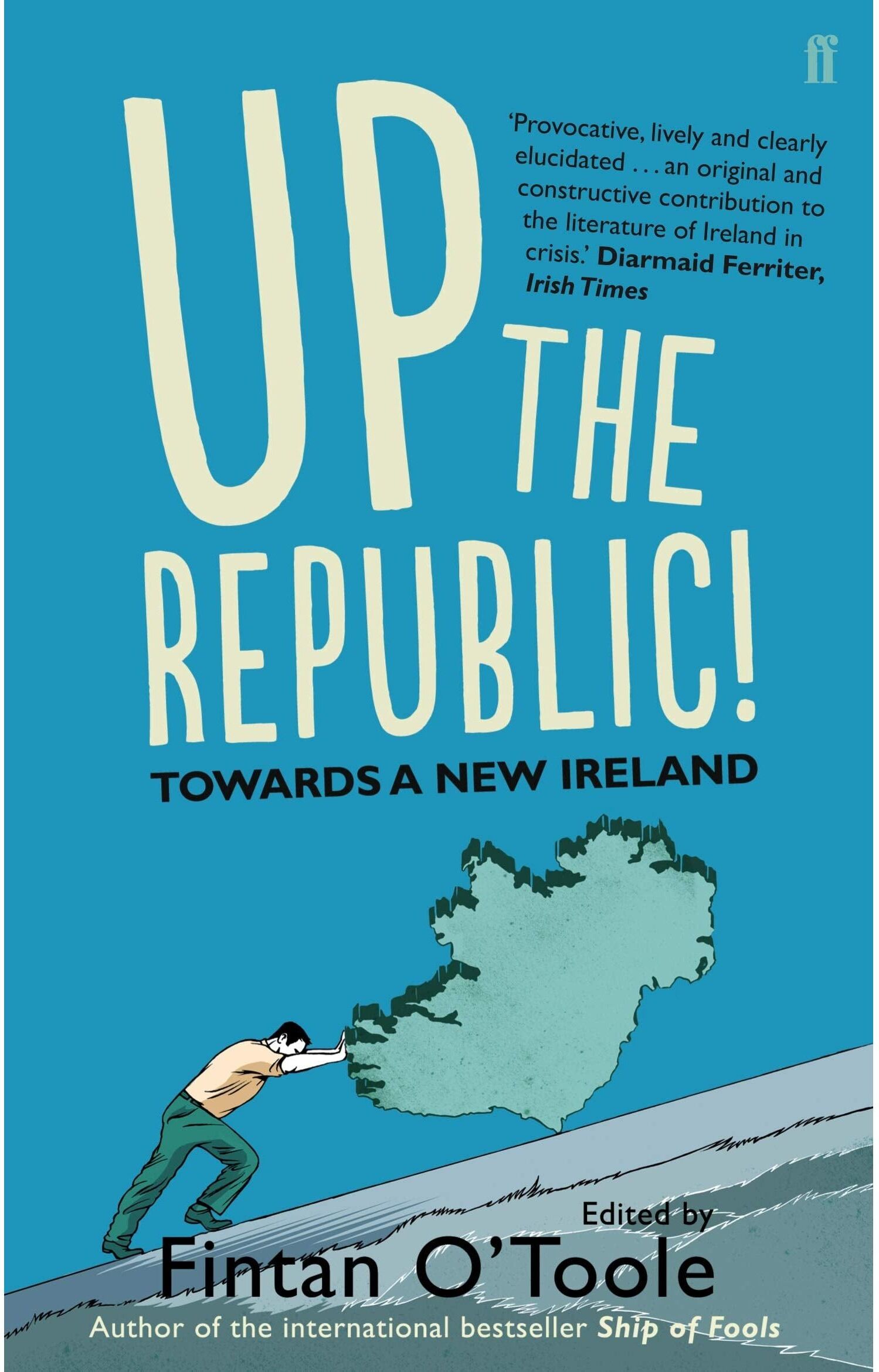
Faber Fintan O'Toole, Up the Republic! (Economic Book, Politics Book)Fintan O'Toole, Up the Republic! (Economic Book, Politics Book) In this important book, historians, lawyers, economists and writers come together to put a coherent case: that although the Irish economic collapse has resulted in national humiliation, renewed emigration and a decline in living standards for the majority of the population, there is still hope that the country can be reformed and renewed. Irish politicians offered the now notorious blanket guarantee to all the banks which had got in over their heads during the great property bubble - including one that had become little more than a criminal enterprise. A different set of politicians grimly enforces the consequences of that guarantee, locking an entire generation of Irish men and women into paying for the mistakes of greedy bankers and their corrupt friends in government. The energy of hope has to come from elsewhere. These essays demonstrate how simple measures and different economic and social policies could release that energy and fulfil the promise of an educated, literate and culturally vibrant people.4,99 £*Shipping: 1,99 £Secure redirect to the provider
-
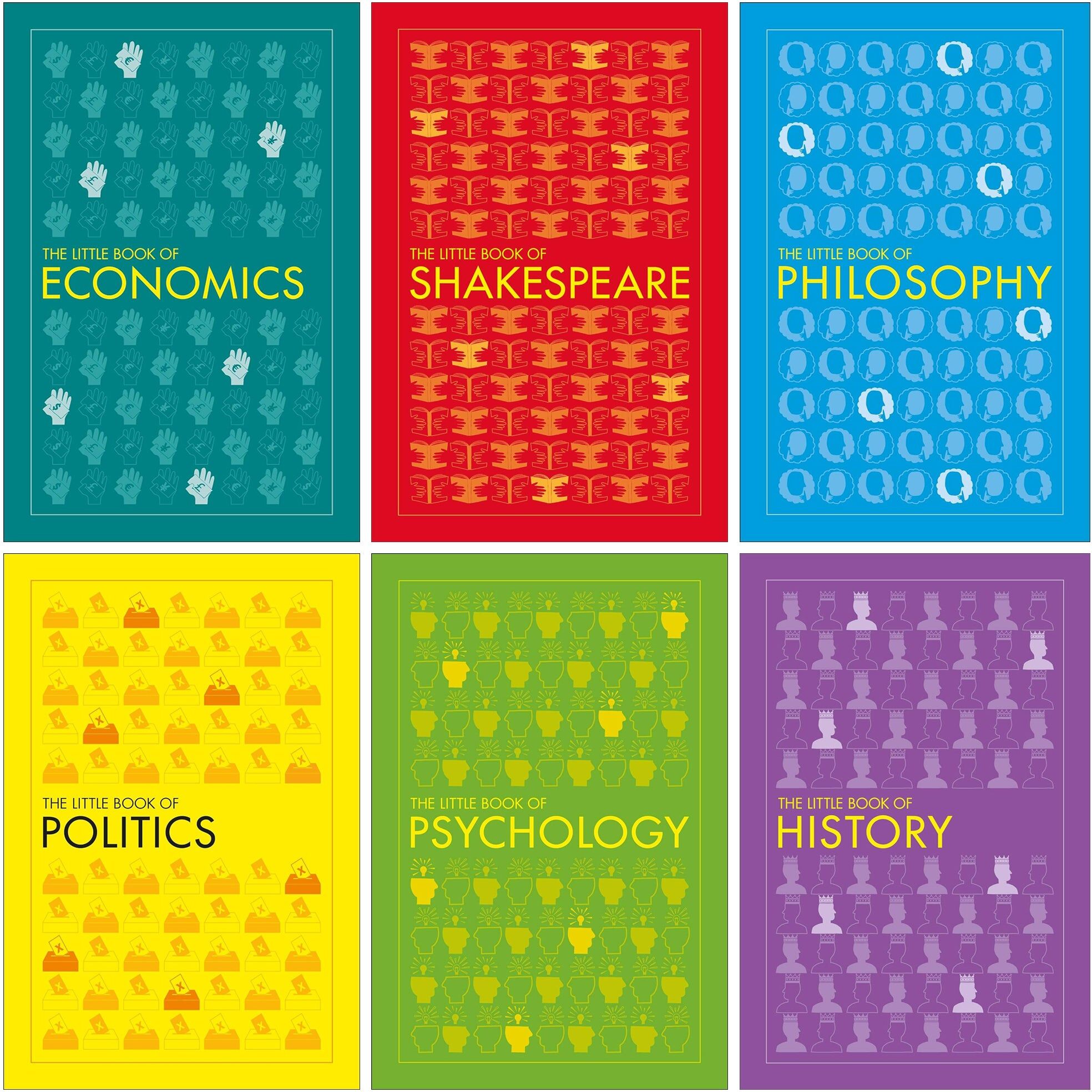
DK The Little Book Of Series 6 Books Collection Set (Economics, Politics, Shakespeare, Philosophy, Psychology, History)The Little Book Of Economics From the earliest forms of currency to the Industrial Revolution, and from the birth of the stock market to free-market capitalism and globalized trade, The Little Book of Economics brings economic theory and the work of key economists to life. Journeying through centuries of economic thought, it is the perfect pocket-sized guide to the subject. The Little Book Of Politics From the origins of democracy to Machiavelli's cunning statecraft, and from Rousseau's "social contract" to the American Declaration of Independence, Marxist communism, the dawn of populism, and identity politics, The Little Book of Politics examines the philosophies behind the different political beliefs and methods of government used around the world over the course of human history. The Little Book Of Shakespeare This bold book covers every work, from the comedies of Twelfth Night and As You Like It to the tragedies of Julius Caesar and Hamlet, plus lost plays and less well-known works of poetry. Easy-to-understand graphics and illustrations bring the themes, plots, characters and language of Shakespeare to life, including illustrated timelines which offer an at-a-glance summary of the action for each play. With detailed plot summaries and an in-depth analysis of the major characters and themes, this is a brilliant, innovative exploration of the entire canon of Shakespeare plays, sonnets and poetry. The Little Book Of Philosophy To the complete novice learning about philosophy can be daunting - The Little Book of Philosophy changes all that. With the use of powerful and easy-to-follow images, famous quotations, and explanations that are easily understandable, this book cuts through any misunderstandings to demystify the subject. The Little Book Of Psychology DK's The Little Book of Psychology answers all these questions and provides an insight into this fascinating field of science. Whether you are a student, an expert, a novice, or have a general interest in the human mind, this portable guide is the perfect choice to start exploring and understanding psychology. The Little Book Of History The Little Book of History charts world history from the dawn of civilisation to the modern culture we live in today. From the origins of homo-sapiens to the release of Nelson Mandela, from the French Revolution to the Space Race, The Little Book of History is a stunning exploration of the human timeline up to and including modern Islam, the world wide web, and the global financial crisis.14,99 £*Shipping: 2,99 £Secure redirect to the provider
-
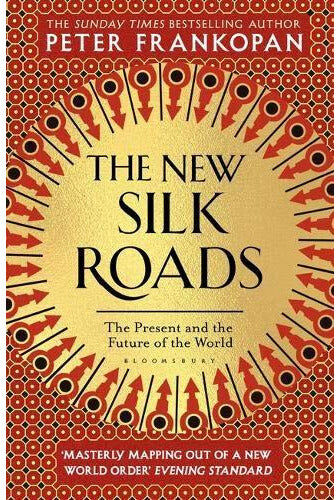
Bloomsbury Publishing The New Silk Roads by Peter Frankopan – The Present and Future of the World Global Politics BestsellerThe New Silk Roads takes a fresh look at the relationships being formed along the length and breadth of the ancient trade routes today. The world is changing dramatically and in an age of Brexit and Trump; the themes of isolation and fragmentation permeating the western world stand in sharp contrast to events along the Silk Roads; where ties are being strengthened and mutual cooperation established. The New Silk Roads asks us to re-examine who we are and where we stand in the world; illuminating the themes on which all our lives and livelihoods depend.6,99 £*Shipping: 2,99 £Secure redirect to the provider
-
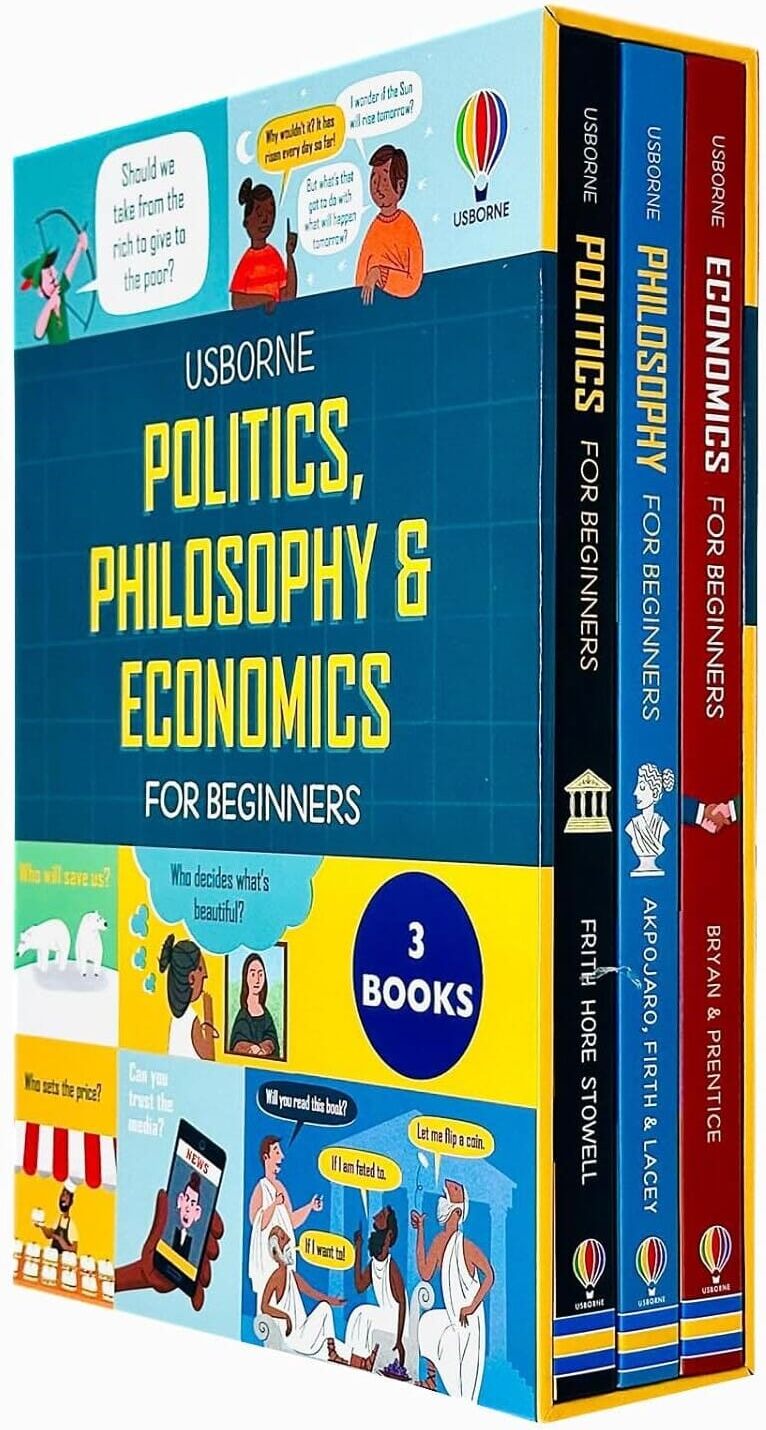
Usborne For Beginners Series: Politics, Philosophy and Economics 3 Books Collection Box Set - Ages 11+ - Hardback Usborne Publishing LtdTitles in this set: 1. Politics for Beginners 2. Philosophy for Beginners 3. Economics for Beginners Politics for Beginners An informative guide to political systems, elections, voting and government, and issues including feminism, human rights, freedom of speech and fake news, all explained with clear text and bright, infographic-style illustrations. Includes tips on how to argue and debate, a glossary, and links to specially selected websites with more information. Philosophy for Beginners Philosophy is a way of thinking about just about anything. It asks big questions, such as "how can I be good?" or "what makes something beautiful?" Using lively examples, humorous illustrations and simple thought experiments, this book opens up the world of philosophy to both children and adults and includes links to recommended websites with videos, games and activities to find out more. Economics for Beginners Nobody has everything they need, all the time - so how can we make do with what we have? Economics is all about understanding the choices we make to solve this problem. With bright, infographics pictures, this informative book describes why markets are so important, how businesses work out what to sell, and how governments choose how to run a country. Includes Usborne Quicklinks to specially selected websites for more information.14,95 £*Shipping: 2,99 £Secure redirect to the provider
-
What is exploitation and oppression?
Exploitation refers to the act of taking advantage of someone or something for one's own benefit, often at the expense of the exploited party. This can occur in various forms such as economic exploitation, where workers are underpaid or overworked, or environmental exploitation, where natural resources are depleted for profit. Oppression, on the other hand, involves the systematic and pervasive mistreatment of a group of people, often based on their race, gender, or social class. This can manifest in the form of discrimination, marginalization, and denial of rights and opportunities. Both exploitation and oppression are forms of injustice that perpetuate inequality and harm individuals and communities. **
-
Has politics evolved in terms of linguistic manipulation in democracy?
Yes, politics has evolved in terms of linguistic manipulation in democracy. Politicians and political parties have become increasingly adept at using language to shape public opinion and manipulate the narrative to their advantage. This can be seen in the use of euphemisms, framing, and spin to influence how policies and events are perceived by the public. With the rise of social media and digital communication, politicians have more platforms than ever to disseminate their messaging and employ linguistic manipulation techniques. Overall, the evolution of politics in the digital age has led to a greater emphasis on linguistic manipulation as a tool for gaining and maintaining power in a democratic society. **
-
Why does imperialism lead to exploitation and oppression?
Imperialism leads to exploitation and oppression because it involves the domination and control of one group or nation over another. The imperial power seeks to extract resources, labor, and wealth from the colonized territory for its own benefit, often at the expense of the local population. This unequal power dynamic allows for the exploitation of the colonized people and their resources, leading to economic and social oppression. Additionally, imperialism often involves the imposition of the imperial power's culture, language, and values onto the colonized population, further perpetuating systems of oppression. **
-
How can one prevent manipulation and exploitation?
One can prevent manipulation and exploitation by being aware of their own boundaries and standing up for themselves when those boundaries are crossed. It is important to trust one's instincts and not be afraid to say no or walk away from a situation that feels manipulative or exploitative. Building strong relationships with trustworthy individuals and seeking support from friends, family, or professionals can also help prevent manipulation and exploitation. Additionally, educating oneself about the tactics and signs of manipulation and exploitation can help one recognize and avoid these harmful situations. **

What is politics?
Politics is the process of making decisions that apply to members of a group. It involves the activities associated with governance and power relations within a society. Politics encompasses a wide range of activities, including voting, lobbying, and governing, all aimed at influencing or controlling the policies and actions of a government or organization. It is a fundamental aspect of human society that shapes how resources are distributed, laws are made, and conflicts are resolved. **
Is politics xenophobic?
Politics itself is not inherently xenophobic, but it can be influenced by xenophobic attitudes and policies. Xenophobia, or the fear and hatred of foreigners or people from different cultures, can be present in political rhetoric and decision-making. However, it is important to distinguish between individual politicians or political movements that may espouse xenophobic beliefs and the broader concept of politics as a whole. Ultimately, the extent to which politics is xenophobic depends on the specific actors and policies involved. **
Top-Angebote
Products related to Politics:
-
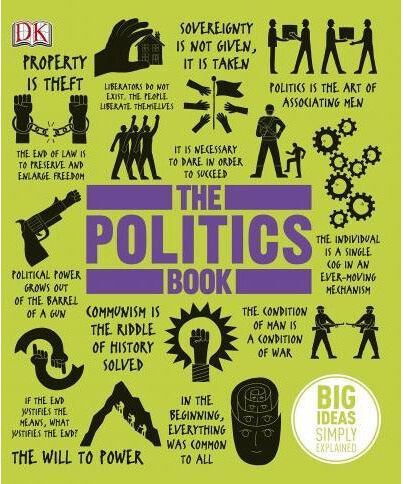
DK The Politics Book - Big Ideas Simply ExplainedThis invaluable; easy-to-understand guide to world politics and government offers an accessible introduction to more than 80 of the most important theories and big ideas of leaders and politicians throughout history. The Politics Book makes government and politics easy to understand by explaining the big ideas simply; using clear language supported by eye-catching graphics. The key events in political history are outlined from the origins of political thinking by Confucius and Aristotle to modern-day activists such as Martin Luther King and Nelson Mandela. Helpful mind maps break down their important concepts into bitesize chunks to make the subject accessible to students of politics and anyone with an interest in how government works. A handy reference section also provides a glossary of key terms and a directory of significant political figures. Filled with thought-provoking quotes from great political thinkers such as Nietzsche; Malcolm X; Karl Marx; and Mao Zedong; The Politics Book gives context to the world of government and power.12,99 £*Shipping: 2,99 £Secure redirect to the provider
-
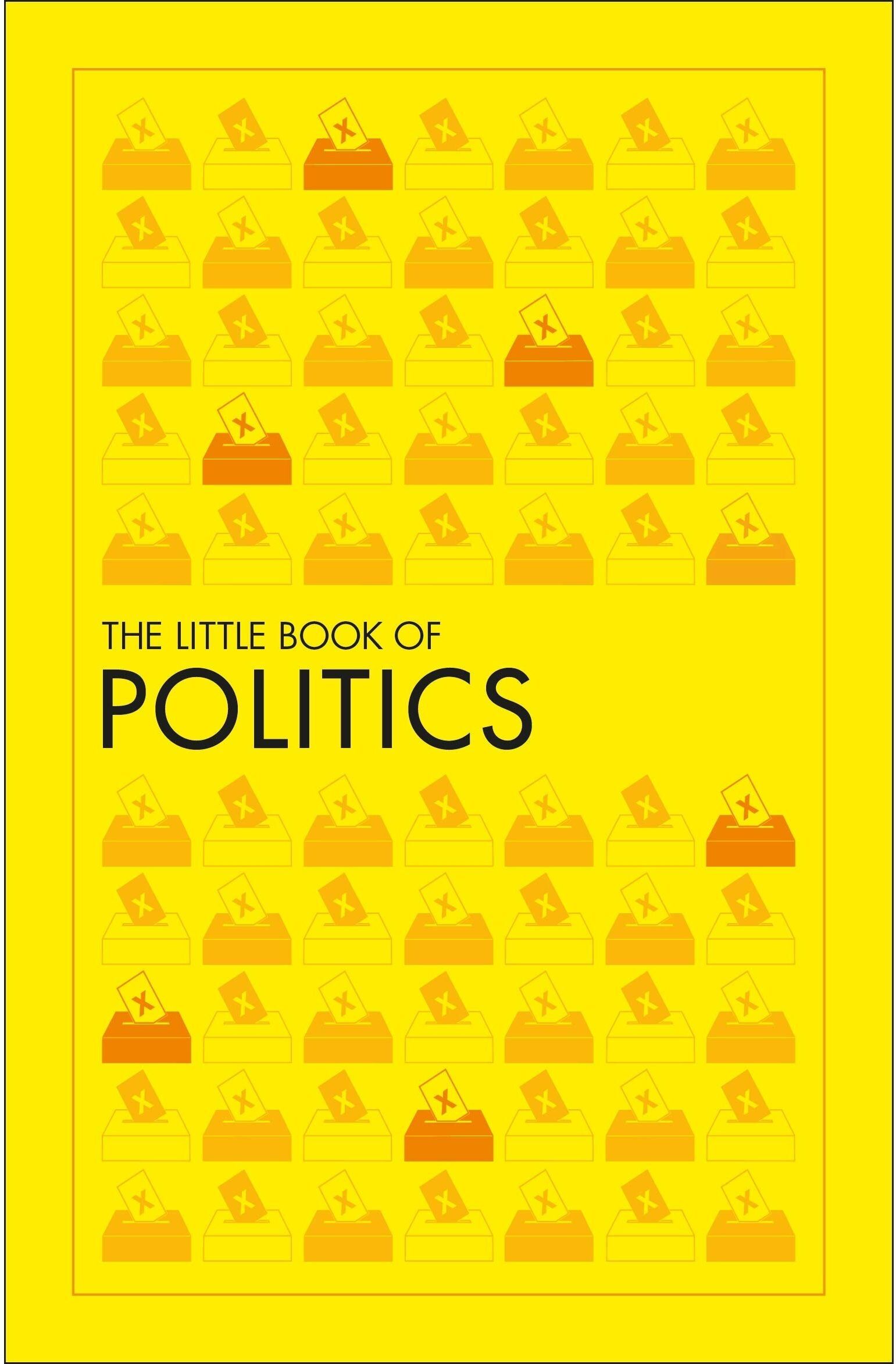
The Little Book of Politics (DK Big Ideas Series)This politics book is the perfect pocket-sized introduction to politics ideas and political thought throughout history. From the origins of democracy to Machiavelli's cunning statecraft, and from Rousseau's "social contract" to the American Declaration of Independence, Marxist communism, the dawn of populism, and identity politics, The Little Book of Politics examines the philosophies behind the different political beliefs and methods of government used around the world over the course of human history. Packed with diagrams and flowcharts that explain complex concepts in a simple but exciting way, this introduction to politics offers you a combination of clear text and hard-working diagrams in a portable format that is perfect for reading on the go.5,99 £*Shipping: 2,99 £Secure redirect to the provider
-
Faber Fintan O'Toole, Up the Republic! (Economic Book, Politics Book)Fintan O'Toole, Up the Republic! (Economic Book, Politics Book) In this important book, historians, lawyers, economists and writers come together to put a coherent case: that although the Irish economic collapse has resulted in national humiliation, renewed emigration and a decline in living standards for the majority of the population, there is still hope that the country can be reformed and renewed. Irish politicians offered the now notorious blanket guarantee to all the banks which had got in over their heads during the great property bubble - including one that had become little more than a criminal enterprise. A different set of politicians grimly enforces the consequences of that guarantee, locking an entire generation of Irish men and women into paying for the mistakes of greedy bankers and their corrupt friends in government. The energy of hope has to come from elsewhere. These essays demonstrate how simple measures and different economic and social policies could release that energy and fulfil the promise of an educated, literate and culturally vibrant people.4,99 £*Shipping: 1,99 £Secure redirect to the provider
-
DK The Little Book Of Series 6 Books Collection Set (Economics, Politics, Shakespeare, Philosophy, Psychology, History)The Little Book Of Economics From the earliest forms of currency to the Industrial Revolution, and from the birth of the stock market to free-market capitalism and globalized trade, The Little Book of Economics brings economic theory and the work of key economists to life. Journeying through centuries of economic thought, it is the perfect pocket-sized guide to the subject. The Little Book Of Politics From the origins of democracy to Machiavelli's cunning statecraft, and from Rousseau's "social contract" to the American Declaration of Independence, Marxist communism, the dawn of populism, and identity politics, The Little Book of Politics examines the philosophies behind the different political beliefs and methods of government used around the world over the course of human history. The Little Book Of Shakespeare This bold book covers every work, from the comedies of Twelfth Night and As You Like It to the tragedies of Julius Caesar and Hamlet, plus lost plays and less well-known works of poetry. Easy-to-understand graphics and illustrations bring the themes, plots, characters and language of Shakespeare to life, including illustrated timelines which offer an at-a-glance summary of the action for each play. With detailed plot summaries and an in-depth analysis of the major characters and themes, this is a brilliant, innovative exploration of the entire canon of Shakespeare plays, sonnets and poetry. The Little Book Of Philosophy To the complete novice learning about philosophy can be daunting - The Little Book of Philosophy changes all that. With the use of powerful and easy-to-follow images, famous quotations, and explanations that are easily understandable, this book cuts through any misunderstandings to demystify the subject. The Little Book Of Psychology DK's The Little Book of Psychology answers all these questions and provides an insight into this fascinating field of science. Whether you are a student, an expert, a novice, or have a general interest in the human mind, this portable guide is the perfect choice to start exploring and understanding psychology. The Little Book Of History The Little Book of History charts world history from the dawn of civilisation to the modern culture we live in today. From the origins of homo-sapiens to the release of Nelson Mandela, from the French Revolution to the Space Race, The Little Book of History is a stunning exploration of the human timeline up to and including modern Islam, the world wide web, and the global financial crisis.14,99 £*Shipping: 2,99 £Secure redirect to the provider
-
What is corruption in politics?
Corruption in politics refers to the abuse of power and position by government officials for personal gain or to benefit a particular group or individual. This can include bribery, embezzlement, nepotism, and other forms of unethical behavior. Corruption undermines the integrity and fairness of the political process, erodes public trust in government, and can lead to the misallocation of resources and the neglect of public needs. It is a pervasive problem in many countries and can have serious consequences for the functioning of democratic institutions and the well-being of society. **
-
How much corruption is there in German politics?
Germany is generally considered to have low levels of corruption in its political system compared to many other countries. Transparency International's Corruption Perceptions Index consistently ranks Germany among the top countries with low levels of corruption. However, there have been some high-profile corruption scandals in recent years involving politicians and public officials, indicating that corruption does exist to some extent in German politics. Overall, Germany has strong anti-corruption laws and institutions in place to prevent and combat corrupt practices. **
-
What is exploitation and oppression?
Exploitation refers to the act of taking advantage of someone or something for one's own benefit, often at the expense of the exploited party. This can occur in various forms such as economic exploitation, where workers are underpaid or overworked, or environmental exploitation, where natural resources are depleted for profit. Oppression, on the other hand, involves the systematic and pervasive mistreatment of a group of people, often based on their race, gender, or social class. This can manifest in the form of discrimination, marginalization, and denial of rights and opportunities. Both exploitation and oppression are forms of injustice that perpetuate inequality and harm individuals and communities. **
-
Has politics evolved in terms of linguistic manipulation in democracy?
Yes, politics has evolved in terms of linguistic manipulation in democracy. Politicians and political parties have become increasingly adept at using language to shape public opinion and manipulate the narrative to their advantage. This can be seen in the use of euphemisms, framing, and spin to influence how policies and events are perceived by the public. With the rise of social media and digital communication, politicians have more platforms than ever to disseminate their messaging and employ linguistic manipulation techniques. Overall, the evolution of politics in the digital age has led to a greater emphasis on linguistic manipulation as a tool for gaining and maintaining power in a democratic society. **
Similar search terms for Politics
-
Bloomsbury Publishing The New Silk Roads by Peter Frankopan – The Present and Future of the World Global Politics BestsellerThe New Silk Roads takes a fresh look at the relationships being formed along the length and breadth of the ancient trade routes today. The world is changing dramatically and in an age of Brexit and Trump; the themes of isolation and fragmentation permeating the western world stand in sharp contrast to events along the Silk Roads; where ties are being strengthened and mutual cooperation established. The New Silk Roads asks us to re-examine who we are and where we stand in the world; illuminating the themes on which all our lives and livelihoods depend.6,99 £*Shipping: 2,99 £Secure redirect to the provider
-
Usborne For Beginners Series: Politics, Philosophy and Economics 3 Books Collection Box Set - Ages 11+ - Hardback Usborne Publishing LtdTitles in this set: 1. Politics for Beginners 2. Philosophy for Beginners 3. Economics for Beginners Politics for Beginners An informative guide to political systems, elections, voting and government, and issues including feminism, human rights, freedom of speech and fake news, all explained with clear text and bright, infographic-style illustrations. Includes tips on how to argue and debate, a glossary, and links to specially selected websites with more information. Philosophy for Beginners Philosophy is a way of thinking about just about anything. It asks big questions, such as "how can I be good?" or "what makes something beautiful?" Using lively examples, humorous illustrations and simple thought experiments, this book opens up the world of philosophy to both children and adults and includes links to recommended websites with videos, games and activities to find out more. Economics for Beginners Nobody has everything they need, all the time - so how can we make do with what we have? Economics is all about understanding the choices we make to solve this problem. With bright, infographics pictures, this informative book describes why markets are so important, how businesses work out what to sell, and how governments choose how to run a country. Includes Usborne Quicklinks to specially selected websites for more information.14,95 £*Shipping: 2,99 £Secure redirect to the provider
-
Elliott & Thompson The Future of Geography: How Power and Politics in Space Will Change Our World By Tim MarshallSpy satellites orbiting the Moon. Space metals worth billions. Humans on Mars within our lifetimes. This isn’t science fiction. It’s astropolitics. We’re entering a new space race – and it could revolutionise life on Earth. Space: the new frontier, a wild and lawless place. It is already central to communication, economics, military strategy and international relations on Earth. Now, it is the latest arena for human exploration, exploitation – and, possibly, conquest. We’re heading up and out, and we’re taking our power struggles with us. China, the USA and Russia are leading the way. From physical territory and resources to satellites, weaponry and strategic choke points, geopolitics is as important in the skies above us as it is down below. If you’ve ever wondered if humans are going back to the Moon, who will benefit from exploration or what space wars might look like, the answers are here. With all the insight and wit that have made Tim Marshall the UK’s most popular writer on geopolitics, this gripping book shows how we got here and where we’re going, covering great-power rivalry; technology; commerce; combat in space; and what it means for all of us down here on Earth. This is essential reading on power, politics and the future of humanity.7,99 £*Shipping: 2,99 £Secure redirect to the provider
-
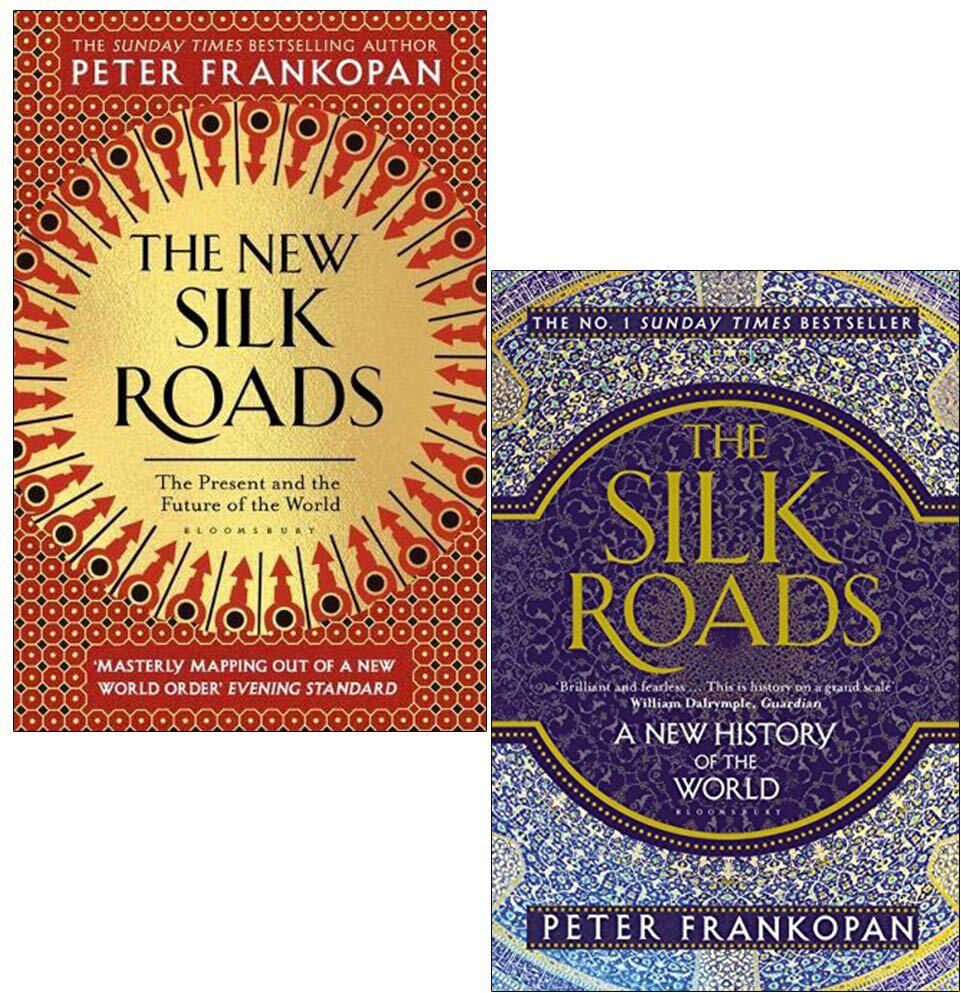
Bloomsbury Publishing The Silk Roads & The New Silk Roads 2 Book Set by Peter Frankopan – History & Global Politics CollectionThe New Silk Roads The Present and Future of the World The New Silk Roads takes a fresh look at the relationships being formed along the length and breadth of the ancient trade routes today. The world is changing dramatically and in an age of Brexit and Trump; the themes of isolation and fragmentation permeating the western world stand in sharp contrast to events along the Silk Roads; where ties are being strengthened and mutual cooperation established.This prescient contemporary history provides a timely reminder that we live in a world that is profoundly interconnected. The Silk Roads: A New History of the World For centuries; fame and fortune were to be found in the west in the New World of the Americas. Today; it is the east which calls out to those in search of riches and adventure. Sweeping right across Central Asia and deep into China and India; a region that once took centre stage is again rising to dominate global politics; commerce and culture.16,98 £*Shipping: 2,99 £Secure redirect to the provider
-
Why does imperialism lead to exploitation and oppression?
Imperialism leads to exploitation and oppression because it involves the domination and control of one group or nation over another. The imperial power seeks to extract resources, labor, and wealth from the colonized territory for its own benefit, often at the expense of the local population. This unequal power dynamic allows for the exploitation of the colonized people and their resources, leading to economic and social oppression. Additionally, imperialism often involves the imposition of the imperial power's culture, language, and values onto the colonized population, further perpetuating systems of oppression. **
-
How can one prevent manipulation and exploitation?
One can prevent manipulation and exploitation by being aware of their own boundaries and standing up for themselves when those boundaries are crossed. It is important to trust one's instincts and not be afraid to say no or walk away from a situation that feels manipulative or exploitative. Building strong relationships with trustworthy individuals and seeking support from friends, family, or professionals can also help prevent manipulation and exploitation. Additionally, educating oneself about the tactics and signs of manipulation and exploitation can help one recognize and avoid these harmful situations. **
-
What is politics?
Politics is the process of making decisions that apply to members of a group. It involves the activities associated with governance and power relations within a society. Politics encompasses a wide range of activities, including voting, lobbying, and governing, all aimed at influencing or controlling the policies and actions of a government or organization. It is a fundamental aspect of human society that shapes how resources are distributed, laws are made, and conflicts are resolved. **
-
Is politics xenophobic?
Politics itself is not inherently xenophobic, but it can be influenced by xenophobic attitudes and policies. Xenophobia, or the fear and hatred of foreigners or people from different cultures, can be present in political rhetoric and decision-making. However, it is important to distinguish between individual politicians or political movements that may espouse xenophobic beliefs and the broader concept of politics as a whole. Ultimately, the extent to which politics is xenophobic depends on the specific actors and policies involved. **
* All prices are inclusive of VAT and, if applicable, plus shipping costs. The offer information is based on the details provided by the respective shop and is updated through automated processes. Real-time updates do not occur, so deviations can occur in individual cases. ** Note: Parts of this content were created by AI.