Buy evilsystem.eu ?
We are moving the project
evilsystem.eu .
Are you interested in purchasing the domain
evilsystem.eu ?
domain@kv-gmbh.de · 0541-91531010
Buy evilsystem.eu ?
What are hazardous substances?
Hazardous substances are materials that pose a risk to human health, the environment, or property. These substances can be in the form of chemicals, biological agents, or physical agents such as radiation. They have the potential to cause harm through direct contact, ingestion, inhalation, or environmental contamination. Examples of hazardous substances include toxic chemicals, flammable materials, infectious agents, and radioactive materials. It is important to handle and dispose of hazardous substances properly to minimize the risk of harm. **
What is exploitation and oppression?
Exploitation refers to the act of taking advantage of someone or something for one's own benefit, often at the expense of the exploited party. This can occur in various forms such as economic exploitation, where workers are underpaid or overworked, or environmental exploitation, where natural resources are depleted for profit. Oppression, on the other hand, involves the systematic and pervasive mistreatment of a group of people, often based on their race, gender, or social class. This can manifest in the form of discrimination, marginalization, and denial of rights and opportunities. Both exploitation and oppression are forms of injustice that perpetuate inequality and harm individuals and communities. **

Similar search terms for Hazardous
Top-Angebote
Products related to Hazardous:
-
Is nitrogen considered hazardous material?
Nitrogen itself is not considered a hazardous material. It is a common, non-toxic, and non-flammable gas that makes up about 78% of the Earth's atmosphere. However, nitrogen can become hazardous if it is stored or used in certain ways that create potential risks, such as in high-pressure containers or in confined spaces where it can displace oxygen. In these situations, proper safety measures should be taken to prevent accidents. **
-
How are hazardous material points calculated?
Hazardous material points are calculated based on the type and quantity of hazardous materials present at a facility. Each type of hazardous material is assigned a point value based on its potential risk, and the total points are calculated by adding up the points for all the hazardous materials on site. The points are used to determine the level of risk and potential impact of the hazardous materials, which helps in assessing the need for safety measures and emergency response planning. **
-
Are pieces of styrofoam fire hazardous?
Yes, pieces of styrofoam are fire hazardous. When styrofoam is exposed to fire, it can release toxic fumes and gases, including carbon monoxide and styrene. These fumes can be harmful to human health and the environment. Additionally, styrofoam can easily ignite and burn quickly, making it a fire hazard in both residential and industrial settings. Therefore, it is important to handle and dispose of styrofoam properly to minimize the risk of fire and exposure to toxic fumes. **
-
Is old gravel considered hazardous waste?
Old gravel is not typically considered hazardous waste unless it has been contaminated with hazardous materials such as oil, chemicals, or other pollutants. If the gravel has been used in industrial or commercial settings where it may have come into contact with hazardous substances, it could be considered hazardous waste. However, if the gravel is clean and free from contamination, it can usually be disposed of as non-hazardous waste. It's important to check local regulations and guidelines for proper disposal of old gravel to ensure compliance with environmental laws. **
Is hydrogen cyanide hazardous to health?
Yes, hydrogen cyanide is hazardous to health. It is a highly toxic chemical that can be fatal if inhaled, ingested, or absorbed through the skin. Exposure to even small amounts of hydrogen cyanide can cause symptoms such as headache, dizziness, nausea, and difficulty breathing. In high concentrations, it can lead to rapid loss of consciousness and death. Therefore, it is important to handle hydrogen cyanide with extreme caution and follow proper safety protocols when working with this chemical. **
How do you dispose of hazardous substances?
Hazardous substances should be disposed of properly to prevent harm to human health and the environment. The best way to dispose of hazardous substances is to take them to a designated hazardous waste disposal facility or a household hazardous waste collection event. It is important to never pour hazardous substances down the drain, into the soil, or throw them in the regular trash. Always follow the instructions on the product label for proper disposal methods. **
Top-Angebote
Products related to Hazardous:
-
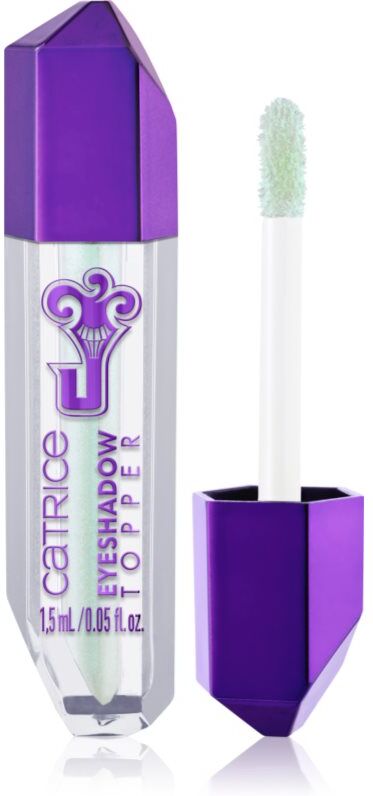
Catrice The Joker liquid eyeshadow shade 010 Hazardous 1.5 mlCatrice The Joker, 1.5 ml, Eyeshadows for Women, Do you want to enhance your look, contour your eyes and accentuate their beauty? The Catrice The Joker eye makeup palette opens up possibilities for creating a wide variety of eye looks. It contains not one but several pressed eyeshadows, which complement each other ideally and can therefore be combined perfectly to create various looks – from subtle daytime to bold evening makeup. Each shade provides even pigment coverage and is easy to apply, blend or mix with other shadows without creating unwanted harsh transitions. Characteristics: create natural eye makeup washes out easily have natural colours Ingredients: vegan product How to use: Apply shadows to the eyelids with a brush, foam applicator or fingertips.2,80 £*Shipping: 3,99 £Secure redirect to the provider
-
Injustice 2 Legendary Edition - Xbox One GameInjustice 2 Legendary Edition for Xbox One delivers the definitive DC fighting experience, bringing together iconic superheroes and villains in cinematic, hard-hitting battles. Featuring the complete roster of DLC characters and expanded story content, this edition offers the most complete way to experience NetherRealm Studios’ acclaimed fighting game. Key Features Full base game plus all Legendary Edition DLC characters Large roster of DC superheroes and villains Cinematic, story-driven single-player campaign Deep, competitive fighting mechanics by NetherRealm Studios Gear system allowing extensive character customisation Multiple game modes including online and local multiplayer Optimised performance on Xbox One Benefits Definitive edition with all additional fighters included Deep combat system suitable for casual and competitive players High replay value through character progression and gear Faithful DC universe presentation with cinematic storytelling Ideal for solo play or competitive multiplayer battles Specifications Table Specification Details Platform Xbox One Genre Fighting Game Mode Single Player, Multiplayer, Online PEGI Rating 16 Developer NetherRealm Studios Publisher Warner Bros. Games Format Physical Disc Language English Compatibility Xbox One Ideal for fans of DC Comics and fighting games. Best suited for players who enjoy cinematic storytelling, deep combat mechanics and competitive multiplayer on Xbox One.14,24 £*Shipping: 0,00 £Secure redirect to the provider
-
What are hazardous substances?
Hazardous substances are materials that pose a risk to human health, the environment, or property. These substances can be in the form of chemicals, biological agents, or physical agents such as radiation. They have the potential to cause harm through direct contact, ingestion, inhalation, or environmental contamination. Examples of hazardous substances include toxic chemicals, flammable materials, infectious agents, and radioactive materials. It is important to handle and dispose of hazardous substances properly to minimize the risk of harm. **
-
What is exploitation and oppression?
Exploitation refers to the act of taking advantage of someone or something for one's own benefit, often at the expense of the exploited party. This can occur in various forms such as economic exploitation, where workers are underpaid or overworked, or environmental exploitation, where natural resources are depleted for profit. Oppression, on the other hand, involves the systematic and pervasive mistreatment of a group of people, often based on their race, gender, or social class. This can manifest in the form of discrimination, marginalization, and denial of rights and opportunities. Both exploitation and oppression are forms of injustice that perpetuate inequality and harm individuals and communities. **
-
Is nitrogen considered hazardous material?
Nitrogen itself is not considered a hazardous material. It is a common, non-toxic, and non-flammable gas that makes up about 78% of the Earth's atmosphere. However, nitrogen can become hazardous if it is stored or used in certain ways that create potential risks, such as in high-pressure containers or in confined spaces where it can displace oxygen. In these situations, proper safety measures should be taken to prevent accidents. **
-
How are hazardous material points calculated?
Hazardous material points are calculated based on the type and quantity of hazardous materials present at a facility. Each type of hazardous material is assigned a point value based on its potential risk, and the total points are calculated by adding up the points for all the hazardous materials on site. The points are used to determine the level of risk and potential impact of the hazardous materials, which helps in assessing the need for safety measures and emergency response planning. **
Similar search terms for Hazardous
-
Are pieces of styrofoam fire hazardous?
Yes, pieces of styrofoam are fire hazardous. When styrofoam is exposed to fire, it can release toxic fumes and gases, including carbon monoxide and styrene. These fumes can be harmful to human health and the environment. Additionally, styrofoam can easily ignite and burn quickly, making it a fire hazard in both residential and industrial settings. Therefore, it is important to handle and dispose of styrofoam properly to minimize the risk of fire and exposure to toxic fumes. **
-
Is old gravel considered hazardous waste?
Old gravel is not typically considered hazardous waste unless it has been contaminated with hazardous materials such as oil, chemicals, or other pollutants. If the gravel has been used in industrial or commercial settings where it may have come into contact with hazardous substances, it could be considered hazardous waste. However, if the gravel is clean and free from contamination, it can usually be disposed of as non-hazardous waste. It's important to check local regulations and guidelines for proper disposal of old gravel to ensure compliance with environmental laws. **
-
Is hydrogen cyanide hazardous to health?
Yes, hydrogen cyanide is hazardous to health. It is a highly toxic chemical that can be fatal if inhaled, ingested, or absorbed through the skin. Exposure to even small amounts of hydrogen cyanide can cause symptoms such as headache, dizziness, nausea, and difficulty breathing. In high concentrations, it can lead to rapid loss of consciousness and death. Therefore, it is important to handle hydrogen cyanide with extreme caution and follow proper safety protocols when working with this chemical. **
-
How do you dispose of hazardous substances?
Hazardous substances should be disposed of properly to prevent harm to human health and the environment. The best way to dispose of hazardous substances is to take them to a designated hazardous waste disposal facility or a household hazardous waste collection event. It is important to never pour hazardous substances down the drain, into the soil, or throw them in the regular trash. Always follow the instructions on the product label for proper disposal methods. **
* All prices are inclusive of VAT and, if applicable, plus shipping costs. The offer information is based on the details provided by the respective shop and is updated through automated processes. Real-time updates do not occur, so deviations can occur in individual cases. ** Note: Parts of this content were created by AI.