Buy evilsystem.eu ?
We are moving the project
evilsystem.eu .
Are you interested in purchasing the domain
evilsystem.eu ?
domain@kv-gmbh.de · 0541-91531010
Buy evilsystem.eu ?
"Is my hydrangea dead?"
To determine if your hydrangea is dead, look for signs of life such as new growth or green stems. Check the stems for flexibility and the buds for any signs of swelling. If the stems are brittle and the buds are dry and shriveled, it may indicate that the hydrangea is dead. You can also gently scratch the bark to see if there is any green tissue underneath, which would indicate that the plant is still alive. If you are unsure, you can also consult with a local gardening expert for advice. **
Is there a political system that makes corruption nearly impossible?
It is difficult to find a political system that makes corruption nearly impossible, as corruption can occur in any system due to human nature. However, some political systems have implemented measures to minimize corruption, such as strong checks and balances, transparency in government operations, and independent anti-corruption agencies. For example, some Nordic countries like Denmark and Finland are often cited as having low levels of corruption due to their strong rule of law, transparency, and accountability mechanisms. While no system can completely eliminate corruption, these measures can help to significantly reduce its occurrence. **

Similar search terms for Nearly-Natrual-Hydrangea-Artificial
Top-Angebote
Products related to Nearly-Natrual-Hydrangea-Artificial:
-
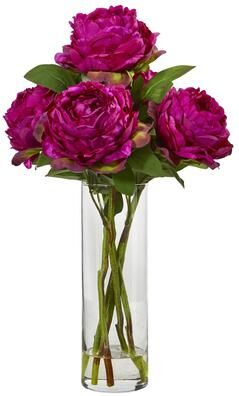
Nearly Natrual Peony Artificial Arrangement in Glass VaseShowcase Mother Nature's femininity with this artificial arrangement of peonies; beautifully designed with ruffled-like petals in soft, blushing hues and complemented with vivid greenery.94,49 $*Shipping: 0,00 $Secure redirect to the provider

-
Was the hydrangea mowed down?
Yes, the hydrangea was mowed down. **
-
What happened to the hydrangea?
The hydrangea plant was accidentally overwatered, causing its roots to become waterlogged. This led to root rot, a condition where the roots of the plant start to decay due to lack of oxygen. As a result, the plant's leaves turned yellow and wilted, and eventually, the entire plant died. It is important to ensure proper watering practices to prevent root rot and maintain the health of hydrangea plants. **
-
Does hydrangea have lime deposits?
Yes, hydrangeas can develop lime deposits on their leaves, especially if they are grown in soil with a high pH level. Lime deposits can appear as white or gray spots on the leaves, which can affect the plant's overall health and appearance. To prevent lime deposits, it is important to monitor the pH level of the soil and adjust it as needed to create a more suitable growing environment for hydrangeas. **
-
What is the hydrangea disease?
Hydrangea disease refers to a variety of fungal and bacterial infections that can affect hydrangea plants. These diseases can cause symptoms such as leaf spots, wilting, and discoloration of the flowers. Common hydrangea diseases include powdery mildew, leaf spot, and bacterial wilt. Proper care and maintenance, such as providing good air circulation and avoiding overhead watering, can help prevent and manage hydrangea diseases. **

"Is the hydrangea still salvageable?"
Yes, the hydrangea is still salvageable. With proper care and attention, such as regular watering, pruning, and fertilizing, the hydrangea can recover and thrive. It may take some time and effort, but with the right care, the hydrangea can be saved. **
What is toxic about a hydrangea?
Certain species of hydrangea contain cyanogenic glycosides, which are toxic compounds that can cause vomiting, diarrhea, and stomach pain if ingested. The leaves and flowers of the hydrangea plant are the most toxic parts, while the roots and stems are less harmful. It is important to keep hydrangea plants away from children and pets to prevent accidental ingestion. **
Top-Angebote
Products related to Nearly-Natrual-Hydrangea-Artificial:
-
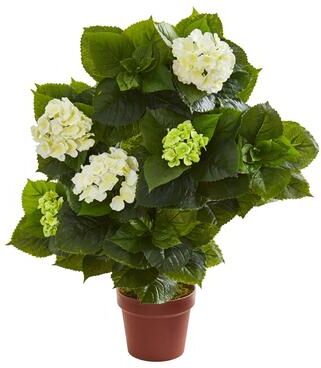
Nearly Natrual Hydrangea Artificial Arrangement in Silver VaseHighlight bare spaces with this artificial arrangement of hydrangeas, boasting intricate silk blooms in palette of soft hues, complemented with dark foliage peeping out from underneath.86,99 $*Shipping: 0,00 $Secure redirect to the provider
-
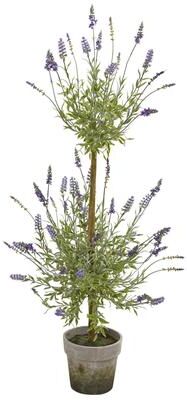
Nearly Natrual "34"" Lavander Topiary Artificial Tree"Sweetness comes to life in the shape of this artificial lavender topiary tree. Structured in a unique topiary form, this cheerful tree showcases hints of billowing lavender blooms, delicately mixed with soft hued greenery.88,86 $*Shipping: 0,00 $Secure redirect to the provider
-
"Is my hydrangea dead?"
To determine if your hydrangea is dead, look for signs of life such as new growth or green stems. Check the stems for flexibility and the buds for any signs of swelling. If the stems are brittle and the buds are dry and shriveled, it may indicate that the hydrangea is dead. You can also gently scratch the bark to see if there is any green tissue underneath, which would indicate that the plant is still alive. If you are unsure, you can also consult with a local gardening expert for advice. **
-
Is there a political system that makes corruption nearly impossible?
It is difficult to find a political system that makes corruption nearly impossible, as corruption can occur in any system due to human nature. However, some political systems have implemented measures to minimize corruption, such as strong checks and balances, transparency in government operations, and independent anti-corruption agencies. For example, some Nordic countries like Denmark and Finland are often cited as having low levels of corruption due to their strong rule of law, transparency, and accountability mechanisms. While no system can completely eliminate corruption, these measures can help to significantly reduce its occurrence. **
-
Was the hydrangea mowed down?
Yes, the hydrangea was mowed down. **
-
What happened to the hydrangea?
The hydrangea plant was accidentally overwatered, causing its roots to become waterlogged. This led to root rot, a condition where the roots of the plant start to decay due to lack of oxygen. As a result, the plant's leaves turned yellow and wilted, and eventually, the entire plant died. It is important to ensure proper watering practices to prevent root rot and maintain the health of hydrangea plants. **
Similar search terms for Nearly-Natrual-Hydrangea-Artificial
-
Nearly Natrual Peony Artificial Arrangement in Glass VaseShowcase Mother Nature's femininity with this artificial arrangement of peonies; beautifully designed with ruffled-like petals in soft, blushing hues and complemented with vivid greenery.94,49 $*Shipping: 0,00 $Secure redirect to the provider
-
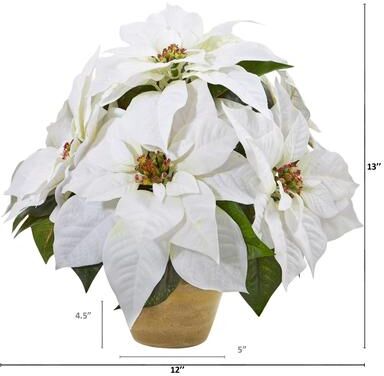
Nearly Natrual Poinsettia Artificial Arrangement in Ceramic VaseUpdate your holiday decor with a hint of elegance with the help of this classic arrangement of artificial poinsettias; boasting oversized silk blooms in a fresh palette of white, handsomely complemented with realistic leaves peering out throughout.65,99 $*Shipping: 0,00 $Secure redirect to the provider
-
Nearly Natrual "13"" Aloe Artificial Plant in Basket""Freshen up your environment with the help of this artificial aloe plant boasting a thick collection of textured leaves in bright, green hues. Standing 13"" tall from a wicker basket, this silk plant makes for perfect desktop display."84,99 $*Shipping: 0,00 $Secure redirect to the provider
-
Does hydrangea have lime deposits?
Yes, hydrangeas can develop lime deposits on their leaves, especially if they are grown in soil with a high pH level. Lime deposits can appear as white or gray spots on the leaves, which can affect the plant's overall health and appearance. To prevent lime deposits, it is important to monitor the pH level of the soil and adjust it as needed to create a more suitable growing environment for hydrangeas. **
-
What is the hydrangea disease?
Hydrangea disease refers to a variety of fungal and bacterial infections that can affect hydrangea plants. These diseases can cause symptoms such as leaf spots, wilting, and discoloration of the flowers. Common hydrangea diseases include powdery mildew, leaf spot, and bacterial wilt. Proper care and maintenance, such as providing good air circulation and avoiding overhead watering, can help prevent and manage hydrangea diseases. **
-
"Is the hydrangea still salvageable?"
Yes, the hydrangea is still salvageable. With proper care and attention, such as regular watering, pruning, and fertilizing, the hydrangea can recover and thrive. It may take some time and effort, but with the right care, the hydrangea can be saved. **
-
What is toxic about a hydrangea?
Certain species of hydrangea contain cyanogenic glycosides, which are toxic compounds that can cause vomiting, diarrhea, and stomach pain if ingested. The leaves and flowers of the hydrangea plant are the most toxic parts, while the roots and stems are less harmful. It is important to keep hydrangea plants away from children and pets to prevent accidental ingestion. **
* All prices are inclusive of VAT and, if applicable, plus shipping costs. The offer information is based on the details provided by the respective shop and is updated through automated processes. Real-time updates do not occur, so deviations can occur in individual cases. ** Note: Parts of this content were created by AI.