Buy evilsystem.eu ?
We are moving the project
evilsystem.eu .
Are you interested in purchasing the domain
evilsystem.eu ?
domain@kv-gmbh.de · 0541-91531010
Buy evilsystem.eu ?
What is exploitation and oppression?
Exploitation refers to the act of taking advantage of someone or something for one's own benefit, often at the expense of the exploited party. This can occur in various forms such as economic exploitation, where workers are underpaid or overworked, or environmental exploitation, where natural resources are depleted for profit. Oppression, on the other hand, involves the systematic and pervasive mistreatment of a group of people, often based on their race, gender, or social class. This can manifest in the form of discrimination, marginalization, and denial of rights and opportunities. Both exploitation and oppression are forms of injustice that perpetuate inequality and harm individuals and communities. **
Why does imperialism lead to exploitation and oppression?
Imperialism leads to exploitation and oppression because it involves the domination and control of one group or nation over another. The imperial power seeks to extract resources, labor, and wealth from the colonized territory for its own benefit, often at the expense of the local population. This unequal power dynamic allows for the exploitation of the colonized people and their resources, leading to economic and social oppression. Additionally, imperialism often involves the imposition of the imperial power's culture, language, and values onto the colonized population, further perpetuating systems of oppression. **
Similar search terms for Questions
Top-Angebote
Products related to Questions:
-
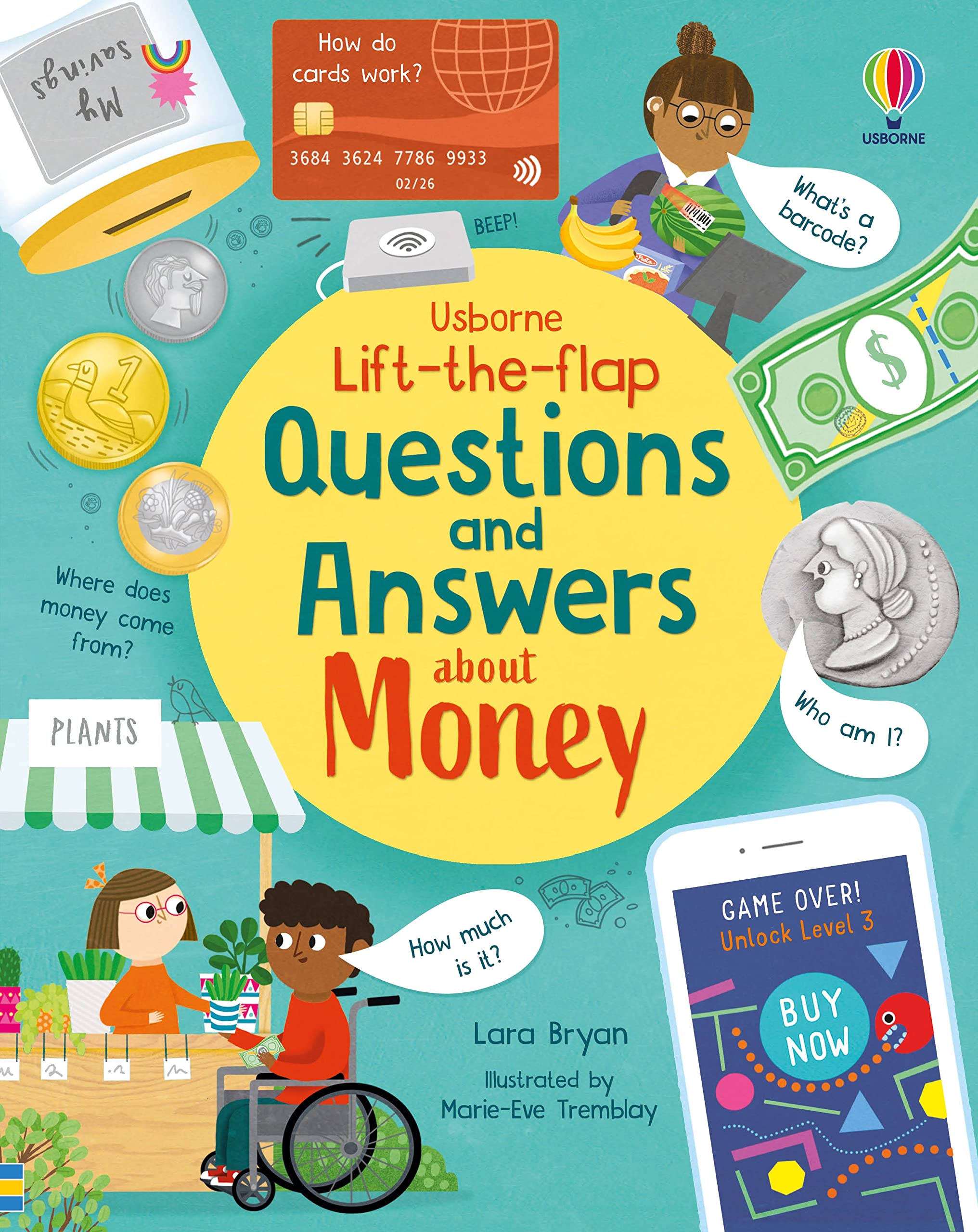
Usborne Publishing Ltd Lift-the-flap Questions and Answers about Money (Usborne Lift-the-Flap First Questions and Answers)Understanding money today is so much more than learning about notes and coins. Where does money come from? Why do I have to save? What happens if I click BUY NOW? Find answers to important money questions, and some silly ones too in this friendly and useful book. - The question and answer lift-the-flap format is a perfect reading tool for curious kids - Written in consultation with money management expert Bobby Seagull - TV and radio presenter, teacher and ambassador for the National Numeracy charity - Early learning about money is key to building good money habits4,95 £*Shipping: 1,99 £Secure redirect to the provider
-
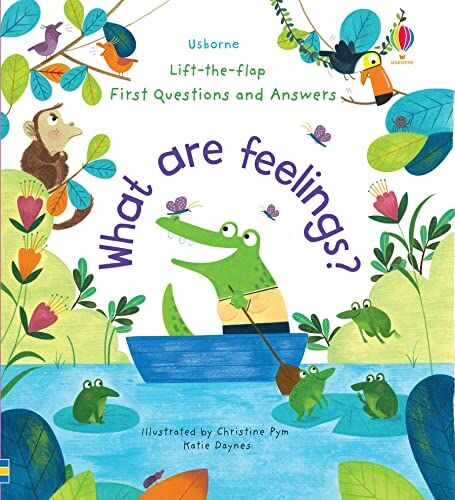
Usborne Publishing Ltd What are Feelings? (Usborne Lift-the-Flap First Questions and Answers)This thoughtful book explores happiness, sadness, anger, fear and worry in a friendly and approachable way for little children. Adorable animal characters experience different emotions, while flaps reveal the answers to important questions such as 'Why don't I feel happy all the time?' and 'How can I cheer up my friend?' Features: Interactive lift-the-flap pages for curious learners Gentle introduction to emotions and feelings Bright, colourful illustrations that engage young readers Supports social and emotional development Ideal for ages 3+4,99 £*Shipping: 1,99 £Secure redirect to the provider
-
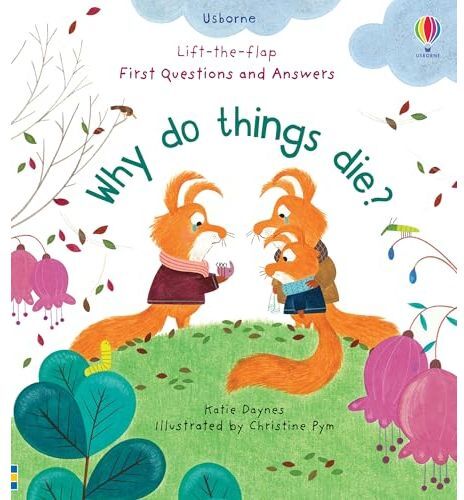
Usborne Publishing Ltd Why Do Things Die? (Usborne Lift the Flap First Questions and Answers)A beautiful and gentle look at the circle of life, using Christine Pym's gorgeous animals characters to explore the emotions and facts around death, with questions such as Is it ok to talk about dying? What happens when someone dies? Can I shout and cry and hide away? and How can I stop feeling sad? Features: Interactive lift-the-flap pages to encourage curiosity Gentle, age-appropriate explanations about life and death Supports emotional understanding and resilience Beautiful, calming illustrations Ideal for ages 4+4,99 £*Shipping: 1,99 £Secure redirect to the provider
-
Usborne Publishing Ltd Why Do We Need Bees? (Usborne Lift-the-Flap First Questions and Answers)Why do we need bees? How do they make honey? And who's who in a beehive? Children can find the answers to these questions and many more in this informative lift-the-flap book. With colourful illustrations, simple text and chunky flaps to lift, young children can discover lots of amazing facts about bees and why they need our help. Features: Interactive lift-the-flap design for active learning Child-friendly explanations of a natural topic Beautiful, engaging illustrations Supports early development and curiosity Ideal for ages 3+9,99 £*Shipping: 2,99 £Secure redirect to the provider

-
How can one prevent manipulation and exploitation?
One can prevent manipulation and exploitation by being aware of their own boundaries and standing up for themselves when those boundaries are crossed. It is important to trust one's instincts and not be afraid to say no or walk away from a situation that feels manipulative or exploitative. Building strong relationships with trustworthy individuals and seeking support from friends, family, or professionals can also help prevent manipulation and exploitation. Additionally, educating oneself about the tactics and signs of manipulation and exploitation can help one recognize and avoid these harmful situations. **
-
Is manorialism exploitation and oppression or social care and protection?
Manorialism can be seen as both exploitation and oppression as well as social care and protection, depending on the perspective. On one hand, the system allowed the lord of the manor to have significant control over the lives of the peasants, often leading to exploitation and oppression. The peasants were tied to the land and had to provide labor and goods to the lord in exchange for protection and the use of land. However, from another perspective, manorialism also provided a sense of social care and protection as the lord was responsible for the well-being of the peasants, providing them with land, shelter, and protection in exchange for their labor. Ultimately, manorialism was a complex system that had elements of both exploitation and social care. **
-
Questions upon questions: Emigrating to Serbia?
Emigrating to Serbia can be a complex process that requires careful planning and consideration. It is important to research the visa requirements, job opportunities, cost of living, and cultural differences before making the decision to move. Seeking advice from expats who have already made the move or consulting with immigration professionals can also be helpful in navigating the emigration process. Ultimately, it is essential to weigh the pros and cons and make an informed decision based on your individual circumstances and goals. **
-
What are Tarot questions about questions?
Tarot questions about questions are inquiries that seek guidance and insight into a specific situation or decision. These questions are designed to help the individual gain clarity and understanding about a particular issue by tapping into the wisdom of the Tarot cards. They can be used to explore different perspectives, uncover hidden influences, and provide guidance on how to approach a situation. Ultimately, Tarot questions about questions are a tool for self-reflection and introspection. **


Which questions are actually not questions?
Some questions that are not actually questions include rhetorical questions, which are asked for effect or to make a point rather than to elicit a response. For example, "Isn't it a beautiful day?" is a rhetorical question because the speaker is not seeking an answer, but rather making a statement about the weather. Additionally, some statements may be phrased as questions but are not seeking a genuine response, such as "You're not serious, are you?" which is more of an expression of disbelief than a true question. **
What are religious questions and questions of faith?
Religious questions are inquiries that pertain to beliefs, practices, and doctrines of a particular religion or faith. These questions often seek to understand the nature of divinity, the purpose of existence, and the moral principles guiding human behavior. Questions of faith, on the other hand, delve into personal convictions, trust, and loyalty to a particular belief system or deity. They often involve introspection, contemplation, and a deep exploration of one's spiritual beliefs and values. **
Top-Angebote
Products related to Questions:
-
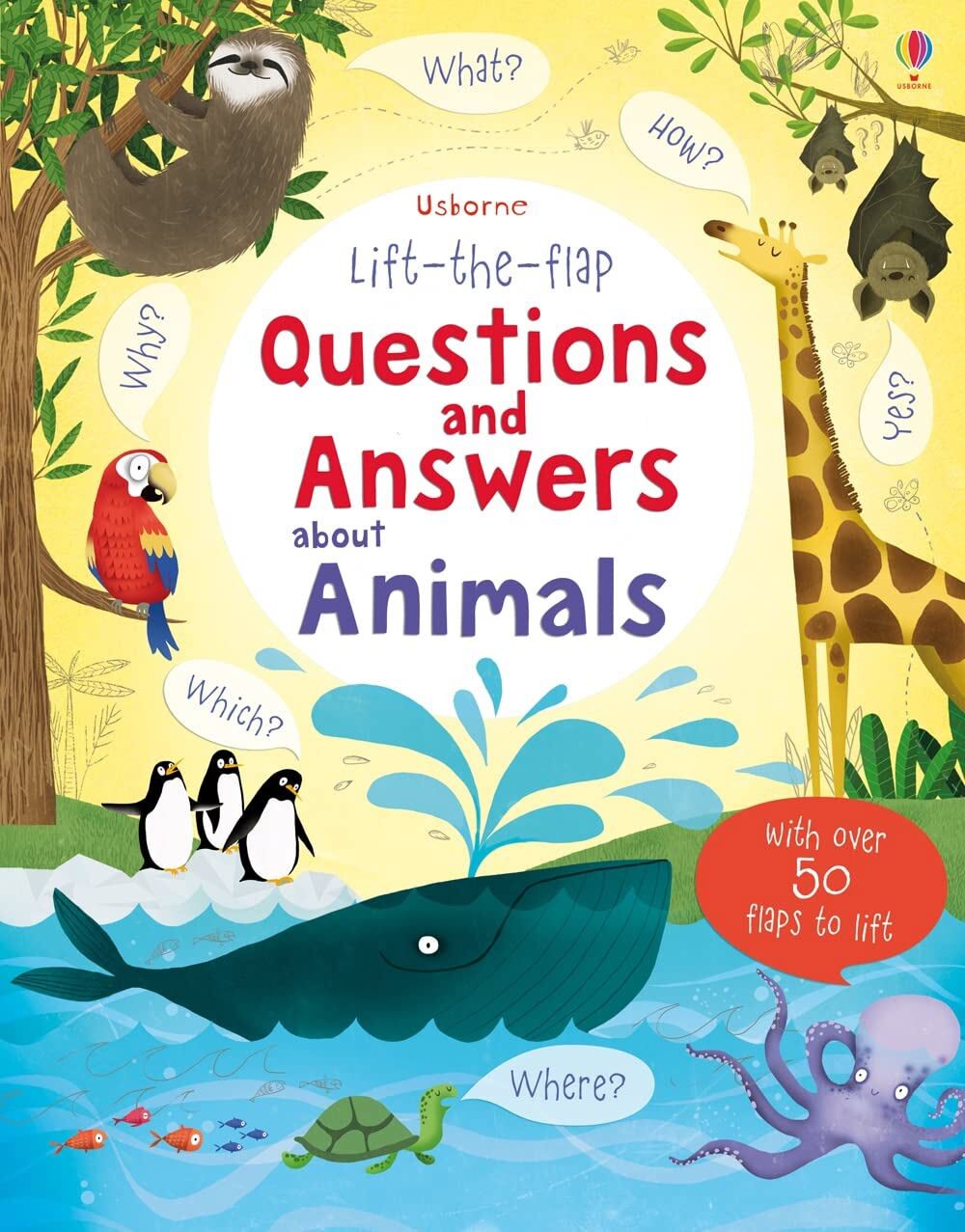
Lift the Flap Questions and Answers about Animals (Usborne Questions and Answers)This delightful book answers all kinds of animal questions that young children might ask, such as "where do fish sleep?", "do elephants have teeth" and "why do frogs jump?" Just lift the flaps to discover what, where, which, how and why! With entertaining illustrations and over 50 flaps to open.4,99 £*Shipping: 1,99 £Secure redirect to the provider
-
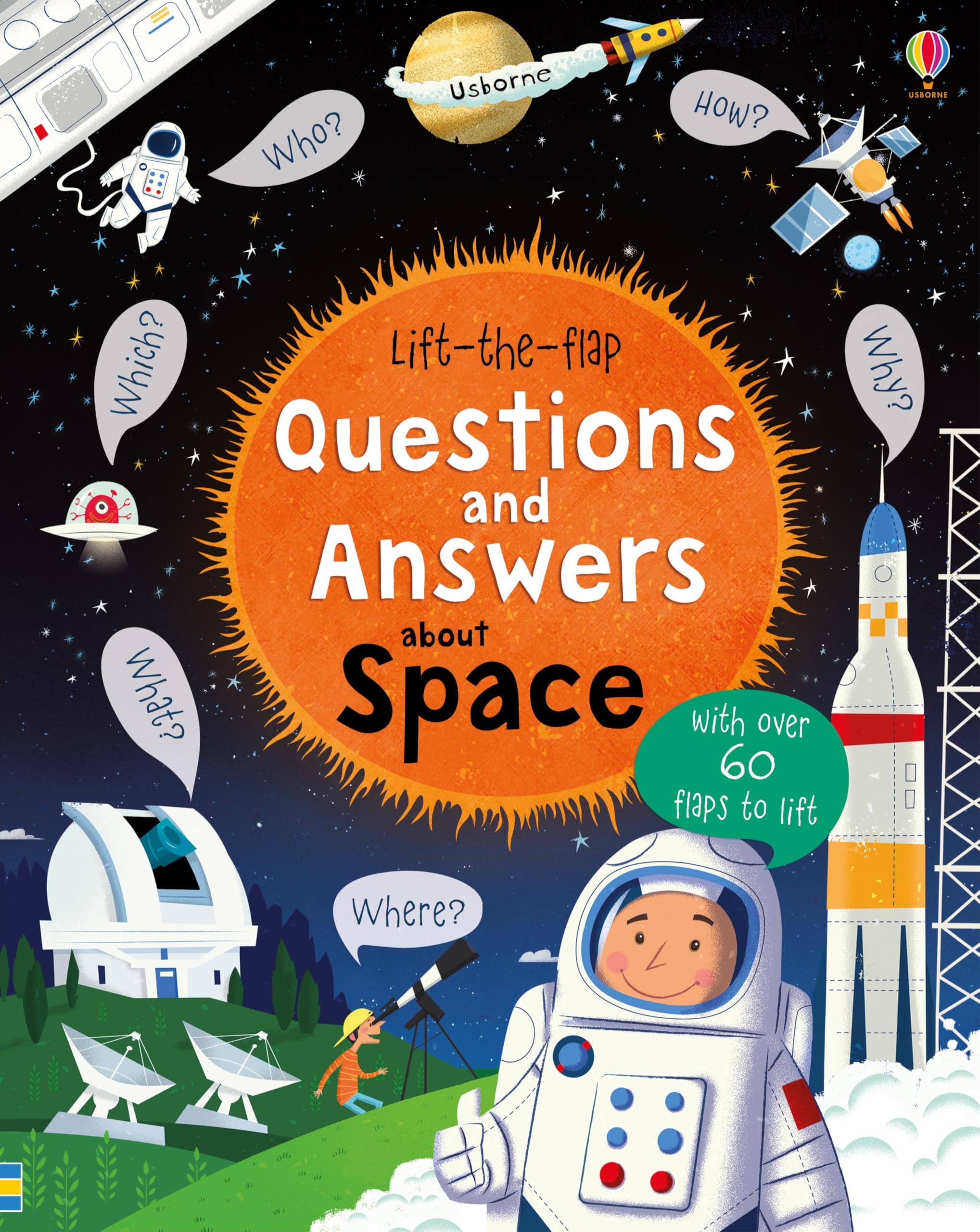
Usborne Publishing Ltd Lift-the-Flap Questions and Answers About Space (Usborne Lift-the-Flap Questions and Answers)With over 60 flaps to lift, this delightful book answers questions such as 'Where have people visited in space?', 'What's a cosmonaut?', 'Why can't I see stars in daytime'; and lots more what, where, how, why, and yes or no questions with answers beneath the flaps. Internet links take children to carefully selected websites to find out more.4,99 £*Shipping: 1,99 £Secure redirect to the provider
-
Usborne Publishing Ltd Lift-the-flap Questions and Answers about Money (Usborne Lift-the-Flap First Questions and Answers)Understanding money today is so much more than learning about notes and coins. Where does money come from? Why do I have to save? What happens if I click BUY NOW? Find answers to important money questions, and some silly ones too in this friendly and useful book. - The question and answer lift-the-flap format is a perfect reading tool for curious kids - Written in consultation with money management expert Bobby Seagull - TV and radio presenter, teacher and ambassador for the National Numeracy charity - Early learning about money is key to building good money habits4,95 £*Shipping: 1,99 £Secure redirect to the provider
-
Usborne Publishing Ltd What are Feelings? (Usborne Lift-the-Flap First Questions and Answers)This thoughtful book explores happiness, sadness, anger, fear and worry in a friendly and approachable way for little children. Adorable animal characters experience different emotions, while flaps reveal the answers to important questions such as 'Why don't I feel happy all the time?' and 'How can I cheer up my friend?' Features: Interactive lift-the-flap pages for curious learners Gentle introduction to emotions and feelings Bright, colourful illustrations that engage young readers Supports social and emotional development Ideal for ages 3+4,99 £*Shipping: 1,99 £Secure redirect to the provider
-
What is exploitation and oppression?
Exploitation refers to the act of taking advantage of someone or something for one's own benefit, often at the expense of the exploited party. This can occur in various forms such as economic exploitation, where workers are underpaid or overworked, or environmental exploitation, where natural resources are depleted for profit. Oppression, on the other hand, involves the systematic and pervasive mistreatment of a group of people, often based on their race, gender, or social class. This can manifest in the form of discrimination, marginalization, and denial of rights and opportunities. Both exploitation and oppression are forms of injustice that perpetuate inequality and harm individuals and communities. **
-
Why does imperialism lead to exploitation and oppression?
Imperialism leads to exploitation and oppression because it involves the domination and control of one group or nation over another. The imperial power seeks to extract resources, labor, and wealth from the colonized territory for its own benefit, often at the expense of the local population. This unequal power dynamic allows for the exploitation of the colonized people and their resources, leading to economic and social oppression. Additionally, imperialism often involves the imposition of the imperial power's culture, language, and values onto the colonized population, further perpetuating systems of oppression. **
-
How can one prevent manipulation and exploitation?
One can prevent manipulation and exploitation by being aware of their own boundaries and standing up for themselves when those boundaries are crossed. It is important to trust one's instincts and not be afraid to say no or walk away from a situation that feels manipulative or exploitative. Building strong relationships with trustworthy individuals and seeking support from friends, family, or professionals can also help prevent manipulation and exploitation. Additionally, educating oneself about the tactics and signs of manipulation and exploitation can help one recognize and avoid these harmful situations. **
-
Is manorialism exploitation and oppression or social care and protection?
Manorialism can be seen as both exploitation and oppression as well as social care and protection, depending on the perspective. On one hand, the system allowed the lord of the manor to have significant control over the lives of the peasants, often leading to exploitation and oppression. The peasants were tied to the land and had to provide labor and goods to the lord in exchange for protection and the use of land. However, from another perspective, manorialism also provided a sense of social care and protection as the lord was responsible for the well-being of the peasants, providing them with land, shelter, and protection in exchange for their labor. Ultimately, manorialism was a complex system that had elements of both exploitation and social care. **
Similar search terms for Questions
-
Usborne Publishing Ltd Why Do Things Die? (Usborne Lift the Flap First Questions and Answers)A beautiful and gentle look at the circle of life, using Christine Pym's gorgeous animals characters to explore the emotions and facts around death, with questions such as Is it ok to talk about dying? What happens when someone dies? Can I shout and cry and hide away? and How can I stop feeling sad? Features: Interactive lift-the-flap pages to encourage curiosity Gentle, age-appropriate explanations about life and death Supports emotional understanding and resilience Beautiful, calming illustrations Ideal for ages 4+4,99 £*Shipping: 1,99 £Secure redirect to the provider
-
Usborne Publishing Ltd Why Do We Need Bees? (Usborne Lift-the-Flap First Questions and Answers)Why do we need bees? How do they make honey? And who's who in a beehive? Children can find the answers to these questions and many more in this informative lift-the-flap book. With colourful illustrations, simple text and chunky flaps to lift, young children can discover lots of amazing facts about bees and why they need our help. Features: Interactive lift-the-flap design for active learning Child-friendly explanations of a natural topic Beautiful, engaging illustrations Supports early development and curiosity Ideal for ages 3+9,99 £*Shipping: 2,99 £Secure redirect to the provider
-
Usborne Publishing Lift-the-Flap Questions & Answers About Dinosaurs by Usborne – Interactive Dinosaur Book for KidsA colourful guide with over 60 flaps to lift to discover answers to questions young children might ask about dinosaurs. Provides simple, friendly and fascinating answers to questions such as "Why do dinosaurs have tricky names?", "Could dinosaurs swim?", "How big was the biggest dinosaur?" and lots more. - Includes a guide to some of the more difficult to pronounce dinosaur names. - With Usborne Quicklinks to specially selected websites where children can find out more about dinosaurs. - Part of Usborne's Lift-the-Flap Questions and Answers series with over 15 subjects to explore, from space and animals, to music and art.4,99 £*Shipping: 1,99 £Secure redirect to the provider
-
Usborne Publishing Ltd Where Do Babies Come from? (Usborne Lift-the-Flap First Questions and Answers)A delightful way for young children to discover where babies come from - from baby humans to kittens, caterpillars and kangaroos. Young children can lift the flaps to find out how babies are made, when they are born, what new babies need and how they grow. A charming, age-appropriate introduction to the facts of life to share with young children. Features: Interactive lift-the-flap design for active learning Child-friendly explanations of a natural topic Beautiful, engaging illustrations Supports early development and curiosity Ideal for ages 3+4,99 £*Shipping: 1,99 £Secure redirect to the provider
-
Questions upon questions: Emigrating to Serbia?
Emigrating to Serbia can be a complex process that requires careful planning and consideration. It is important to research the visa requirements, job opportunities, cost of living, and cultural differences before making the decision to move. Seeking advice from expats who have already made the move or consulting with immigration professionals can also be helpful in navigating the emigration process. Ultimately, it is essential to weigh the pros and cons and make an informed decision based on your individual circumstances and goals. **
-
What are Tarot questions about questions?
Tarot questions about questions are inquiries that seek guidance and insight into a specific situation or decision. These questions are designed to help the individual gain clarity and understanding about a particular issue by tapping into the wisdom of the Tarot cards. They can be used to explore different perspectives, uncover hidden influences, and provide guidance on how to approach a situation. Ultimately, Tarot questions about questions are a tool for self-reflection and introspection. **
-
Which questions are actually not questions?
Some questions that are not actually questions include rhetorical questions, which are asked for effect or to make a point rather than to elicit a response. For example, "Isn't it a beautiful day?" is a rhetorical question because the speaker is not seeking an answer, but rather making a statement about the weather. Additionally, some statements may be phrased as questions but are not seeking a genuine response, such as "You're not serious, are you?" which is more of an expression of disbelief than a true question. **
-
What are religious questions and questions of faith?
Religious questions are inquiries that pertain to beliefs, practices, and doctrines of a particular religion or faith. These questions often seek to understand the nature of divinity, the purpose of existence, and the moral principles guiding human behavior. Questions of faith, on the other hand, delve into personal convictions, trust, and loyalty to a particular belief system or deity. They often involve introspection, contemplation, and a deep exploration of one's spiritual beliefs and values. **
* All prices are inclusive of VAT and, if applicable, plus shipping costs. The offer information is based on the details provided by the respective shop and is updated through automated processes. Real-time updates do not occur, so deviations can occur in individual cases. ** Note: Parts of this content were created by AI.