Buy evilsystem.eu ?
We are moving the project
evilsystem.eu .
Are you interested in purchasing the domain
evilsystem.eu ?
domain@kv-gmbh.de · 0541-91531010
Buy evilsystem.eu ?
Why is a pressurized water reactor safer than a boiling water reactor?
A pressurized water reactor (PWR) is considered safer than a boiling water reactor (BWR) because the water used as a coolant in a PWR is kept under high pressure, which prevents it from boiling. This means that the water remains in a liquid state, reducing the risk of steam explosions. Additionally, the design of a PWR allows for a more controlled and stable nuclear reaction, as the water used for cooling and moderation is kept separate from the water used to generate steam for the turbine. This reduces the risk of radioactive contamination in the event of a malfunction. Overall, the design and operational features of a PWR contribute to its reputation for safety compared to a BWR. **
What is exploitation and oppression?
Exploitation refers to the act of taking advantage of someone or something for one's own benefit, often at the expense of the exploited party. This can occur in various forms such as economic exploitation, where workers are underpaid or overworked, or environmental exploitation, where natural resources are depleted for profit. Oppression, on the other hand, involves the systematic and pervasive mistreatment of a group of people, often based on their race, gender, or social class. This can manifest in the form of discrimination, marginalization, and denial of rights and opportunities. Both exploitation and oppression are forms of injustice that perpetuate inequality and harm individuals and communities. **


Similar search terms for Reactor
Top-Angebote
Products related to Reactor:
-
Discount Dollar Deals Mini Nuclear Reactor Lantern Toy Handheld Doomsday Simulation Light Mini Nuclear Reactor Lantern Toy Handheld Doomsday Simulation LightImmerse yourself in a futuristic world with our Mini Nuclear Reactor Lantern. This unique handheld nuclear reactor lantern is designed for enthusiasts who enjoy doomsday simulation toys. With its detailed design and realistic pushsimulation...44,97 $*Shipping: 0,00 $Secure redirect to the provider
-
Uplift Picks Nuclear Reactor Lantern Toy Mini LED Simulation Desk Light Gadget Nuclear Reactor Lantern Toy Mini LED Simulation Desk Light GadgetAdd a unique glow to your space with this eyecatching nuclear reactor lantern toy designed to spark curiosity and conversation. This compact mini LED lantern gadget features a creative simulation design that mimics a glowing reactor core. Perfect...110,00 $*Shipping: 0,00 $Secure redirect to the provider
-
Inspire Curations Mini Nuclear Reactor Night Light Nuclear Reactor Lamp Novelty LED Night Light For Bedroom & Desk Decor green 1pc china MainlandAdd a futuristic glow to your space with this eyecatching mini nuclear reactor night light. Inspired by the look of a miniature reactor core, this unique LED lamp creates a striking ambient light that's perfect for bedrooms, gaming setups, desks,...63,00 $*Shipping: 0,00 $Secure redirect to the provider
-
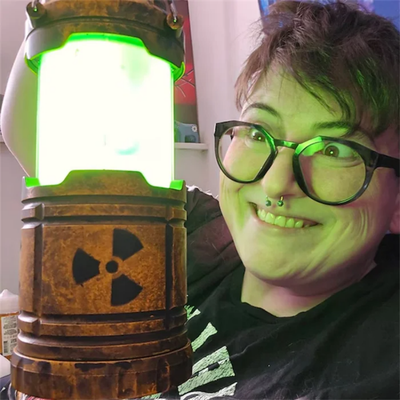
Uplift Essentials Mini Handheld Nuclear Reactor Lantern Toy greenLight up your desk or survival shelter setup with this mini handheld nuclear reactor lantern toy. Designed with futuristic scifi detailing, this glowinthedark simulation illuminator mimics the core containment of a doomsday nuclear reactor. Crafted...105,97 $*Shipping: 0,00 $Secure redirect to the provider


-
Can you survive if you fall into the reactor water of a nuclear reactor?
No, it is highly unlikely that a person could survive falling into the reactor water of a nuclear reactor. The water in the reactor is highly radioactive and can cause severe radiation poisoning, which can be fatal. Additionally, the extreme heat and pressure within the reactor can also pose a significant danger to anyone who falls into the water. Therefore, it is crucial to follow strict safety protocols and procedures to prevent such accidents from occurring. **
-
What is the actual difference between a pressurized water reactor and a boiling water reactor?
The main difference between a pressurized water reactor (PWR) and a boiling water reactor (BWR) lies in the way they use water to produce steam for generating electricity. In a PWR, the reactor core heats water under high pressure, which does not boil. This hot water is then used to transfer heat to a secondary water system, where it boils and produces steam to drive the turbines. On the other hand, in a BWR, the water in the reactor core boils directly, producing steam that is used to drive the turbines. Additionally, PWRs have a separate primary and secondary loop for water circulation, while BWRs have a single loop for water circulation. **
-
What happened to the Fukushima reactor?
The Fukushima Daiichi nuclear power plant in Japan suffered a severe nuclear accident following a massive earthquake and tsunami in March 2011. The natural disasters caused a loss of power to the reactors, leading to a meltdown of three reactor cores and the release of radioactive materials into the environment. The accident resulted in the evacuation of thousands of residents from the surrounding area and had long-lasting environmental and health consequences. **
-
What is a pebble bed reactor?
A pebble bed reactor is a type of nuclear reactor that uses small spherical fuel elements, or "pebbles," to generate heat through nuclear fission. These pebbles are made of a mixture of uranium and graphite, and they are designed to withstand high temperatures and prevent the release of radioactive materials even in the event of a meltdown. The pebbles are continuously cycled through the reactor core, allowing for efficient heat transfer and reducing the risk of overheating. Pebble bed reactors are known for their inherent safety features and potential for high thermal efficiency. **


What was the Chernobyl reactor accident?
The Chernobyl reactor accident occurred on April 26, 1986, at the Chernobyl Nuclear Power Plant in Ukraine. It was the result of a safety test gone wrong, which led to a sudden power surge and a series of explosions in the reactor. This caused a massive release of radioactive materials into the atmosphere, leading to the worst nuclear disaster in history. The accident resulted in the evacuation and resettlement of thousands of people, and had long-term environmental and health consequences for the region and beyond. **
How is a fusion reactor started?
A fusion reactor is started by heating up the fuel, typically a mixture of hydrogen isotopes, to extremely high temperatures and creating a plasma. This is usually done using powerful heating systems such as lasers or magnetic confinement. Once the plasma is created and reaches the necessary temperature and pressure, the fusion reactions can start to occur, releasing energy in the form of heat. This heat can then be used to generate electricity. **
Top-Angebote
Products related to Reactor:
-
Inspired Finds Mini Nuclear Reactor Lantern Portable LED Camping Night Light blue Reactor LanternBring postapocalyptic style to your space with this Mini Nuclear Reactor Lantern, a compact light designed to look like a miniature reactor. Its distinctive glowing design makes it both a functional LED light and an eyecatching decorative ornament...57,49 $*Shipping: 0,00 $Secure redirect to the provider
-
Inspire Curations Mini Nuclear Reactor Lantern Nuclear Reactor Lantern LED Night Light For Camping & Home Decor 1 Piece DAdd a futuristic glow to your space with this eyecatching nuclear reactor lantern. Designed for scifi fans, gamers, campers, and collectors, this miniature LED lantern combines creative dcor with practical ambient lighting. Its detailed...80,50 $*Shipping: 0,00 $Secure redirect to the provider
-
Discount Dollar Deals Mini Nuclear Reactor Lantern Toy Handheld Doomsday Simulation Light Mini Nuclear Reactor Lantern Toy Handheld Doomsday Simulation LightImmerse yourself in a futuristic world with our Mini Nuclear Reactor Lantern. This unique handheld nuclear reactor lantern is designed for enthusiasts who enjoy doomsday simulation toys. With its detailed design and realistic pushsimulation...44,97 $*Shipping: 0,00 $Secure redirect to the provider
-
Uplift Picks Nuclear Reactor Lantern Toy Mini LED Simulation Desk Light Gadget Nuclear Reactor Lantern Toy Mini LED Simulation Desk Light GadgetAdd a unique glow to your space with this eyecatching nuclear reactor lantern toy designed to spark curiosity and conversation. This compact mini LED lantern gadget features a creative simulation design that mimics a glowing reactor core. Perfect...110,00 $*Shipping: 0,00 $Secure redirect to the provider
-
Why is a pressurized water reactor safer than a boiling water reactor?
A pressurized water reactor (PWR) is considered safer than a boiling water reactor (BWR) because the water used as a coolant in a PWR is kept under high pressure, which prevents it from boiling. This means that the water remains in a liquid state, reducing the risk of steam explosions. Additionally, the design of a PWR allows for a more controlled and stable nuclear reaction, as the water used for cooling and moderation is kept separate from the water used to generate steam for the turbine. This reduces the risk of radioactive contamination in the event of a malfunction. Overall, the design and operational features of a PWR contribute to its reputation for safety compared to a BWR. **
-
What is exploitation and oppression?
Exploitation refers to the act of taking advantage of someone or something for one's own benefit, often at the expense of the exploited party. This can occur in various forms such as economic exploitation, where workers are underpaid or overworked, or environmental exploitation, where natural resources are depleted for profit. Oppression, on the other hand, involves the systematic and pervasive mistreatment of a group of people, often based on their race, gender, or social class. This can manifest in the form of discrimination, marginalization, and denial of rights and opportunities. Both exploitation and oppression are forms of injustice that perpetuate inequality and harm individuals and communities. **
-
Can you survive if you fall into the reactor water of a nuclear reactor?
No, it is highly unlikely that a person could survive falling into the reactor water of a nuclear reactor. The water in the reactor is highly radioactive and can cause severe radiation poisoning, which can be fatal. Additionally, the extreme heat and pressure within the reactor can also pose a significant danger to anyone who falls into the water. Therefore, it is crucial to follow strict safety protocols and procedures to prevent such accidents from occurring. **
-
What is the actual difference between a pressurized water reactor and a boiling water reactor?
The main difference between a pressurized water reactor (PWR) and a boiling water reactor (BWR) lies in the way they use water to produce steam for generating electricity. In a PWR, the reactor core heats water under high pressure, which does not boil. This hot water is then used to transfer heat to a secondary water system, where it boils and produces steam to drive the turbines. On the other hand, in a BWR, the water in the reactor core boils directly, producing steam that is used to drive the turbines. Additionally, PWRs have a separate primary and secondary loop for water circulation, while BWRs have a single loop for water circulation. **
Similar search terms for Reactor
-
Inspire Curations Mini Nuclear Reactor Night Light Nuclear Reactor Lamp Novelty LED Night Light For Bedroom & Desk Decor green 1pc china MainlandAdd a futuristic glow to your space with this eyecatching mini nuclear reactor night light. Inspired by the look of a miniature reactor core, this unique LED lamp creates a striking ambient light that's perfect for bedrooms, gaming setups, desks,...63,00 $*Shipping: 0,00 $Secure redirect to the provider
-
Uplift Essentials Mini Handheld Nuclear Reactor Lantern Toy greenLight up your desk or survival shelter setup with this mini handheld nuclear reactor lantern toy. Designed with futuristic scifi detailing, this glowinthedark simulation illuminator mimics the core containment of a doomsday nuclear reactor. Crafted...105,97 $*Shipping: 0,00 $Secure redirect to the provider
-
O'Neill s Reactor Uscg Vest in Black, Size 4, PolyesterUSCG APPROVED The O'Neill R&D process provides the best quality, fit and functionality in the industry. Our USCG life vests continue to set new standards of excellence in design for all wake and waterski athletes. Strategic Armhole Size...79,99 $*Shipping: 0,00 $Secure redirect to the provider
-
Inspired Finds Mini Nuclear Reactor Lantern Portable LED Camping Night Light green Reactor LanternBring postapocalyptic style to your space with this Mini Nuclear Reactor Lantern, a compact light designed to look like a miniature reactor. Its distinctive glowing design makes it both a functional LED light and an eyecatching decorative ornament...57,49 $*Shipping: 0,00 $Secure redirect to the provider
-
What happened to the Fukushima reactor?
The Fukushima Daiichi nuclear power plant in Japan suffered a severe nuclear accident following a massive earthquake and tsunami in March 2011. The natural disasters caused a loss of power to the reactors, leading to a meltdown of three reactor cores and the release of radioactive materials into the environment. The accident resulted in the evacuation of thousands of residents from the surrounding area and had long-lasting environmental and health consequences. **
-
What is a pebble bed reactor?
A pebble bed reactor is a type of nuclear reactor that uses small spherical fuel elements, or "pebbles," to generate heat through nuclear fission. These pebbles are made of a mixture of uranium and graphite, and they are designed to withstand high temperatures and prevent the release of radioactive materials even in the event of a meltdown. The pebbles are continuously cycled through the reactor core, allowing for efficient heat transfer and reducing the risk of overheating. Pebble bed reactors are known for their inherent safety features and potential for high thermal efficiency. **
-
What was the Chernobyl reactor accident?
The Chernobyl reactor accident occurred on April 26, 1986, at the Chernobyl Nuclear Power Plant in Ukraine. It was the result of a safety test gone wrong, which led to a sudden power surge and a series of explosions in the reactor. This caused a massive release of radioactive materials into the atmosphere, leading to the worst nuclear disaster in history. The accident resulted in the evacuation and resettlement of thousands of people, and had long-term environmental and health consequences for the region and beyond. **
-
How is a fusion reactor started?
A fusion reactor is started by heating up the fuel, typically a mixture of hydrogen isotopes, to extremely high temperatures and creating a plasma. This is usually done using powerful heating systems such as lasers or magnetic confinement. Once the plasma is created and reaches the necessary temperature and pressure, the fusion reactions can start to occur, releasing energy in the form of heat. This heat can then be used to generate electricity. **
* All prices are inclusive of VAT and, if applicable, plus shipping costs. The offer information is based on the details provided by the respective shop and is updated through automated processes. Real-time updates do not occur, so deviations can occur in individual cases. ** Note: Parts of this content were created by AI.